What is Global Developmental Delay?
Global Developmental Delay (GDD) is a term used when a child takes longer to reach certain developmental milestones compared to other children their age. Unlike a delay in just one area, GDD affects two or more areas of development, which is why it’s called “global.”
These areas of development include:
- Gross and fine motor skills — sitting, walking, holding objects, drawing
- Speech and language — understanding words, talking, communicating
- Cognitive abilities — thinking, learning, problem-solving
- Social and emotional skills — interacting with others, managing emotions
- Daily living activities — feeding, dressing, toileting
GDD is typically identified in children under the age of 5. It’s important to understand that GDD is not a specific diagnosis — it describes the pattern of delays a child is experiencing. The underlying cause may or may not be identified through further assessment.
It’s estimated that 1 to 3 percent of children are affected by developmental delays globally. If you suspect your child may have GDD, seeking professional assessment early is one of the most important steps you can take.
What Causes Global Developmental Delay?
In many cases, the exact cause of GDD is not identified. When a cause is found, it may include:
- Genetic conditions — such as Down syndrome, Fragile X syndrome, or other chromosomal differences
- Complications during pregnancy or birth — premature birth, low birth weight, lack of oxygen during delivery
- Infections during pregnancy — such as rubella or cytomegalovirus (CMV)
- Environmental factors — exposure to toxins, malnutrition, or lack of stimulation in early childhood
- Metabolic conditions — rare inherited conditions that affect how the body processes nutrients
- Brain injury or illness — meningitis, encephalitis, or traumatic brain injury in early life
For many families, not having a clear answer about the cause can be frustrating. What matters most is that the child receives the right support, regardless of whether the cause is identified.
How is GDD Diagnosed?
GDD is usually identified when parents, carers, or health professionals notice that a child is not meeting developmental milestones at the expected ages. The diagnostic process typically involves:
- Developmental screening — your GP or child health nurse may use standardised checklists to assess your child’s progress
- Comprehensive developmental assessment — a paediatrician or multidisciplinary team assesses all areas of development using formal assessment tools
- Medical investigations — blood tests, genetic testing, hearing and vision tests, or brain imaging may be recommended to look for underlying causes
- Ongoing monitoring — because young children develop at different rates, follow-up assessments may be needed over time
Early identification is key. The earlier a child is assessed, the sooner they can access therapies and supports that make a real difference.
Global Developmental Delay vs Autism: What’s the Difference?
This is one of the most common questions parents ask, and it’s understandable — there can be overlap between GDD and Autism Spectrum Disorder (ASD). However, they are different conditions:
| Global Developmental Delay | Autism Spectrum Disorder | |
|---|---|---|
| What it is | Delays across multiple developmental areas | A neurodevelopmental condition affecting social communication and behaviour |
| Core features | Slower progress in motor, speech, cognitive, social skills | Differences in social interaction, communication, restricted/repetitive interests |
| Age of identification | Usually under 5 | Can be identified from 18 months, often diagnosed between 2-5 years |
| Outcome | Some children catch up to peers; others may receive a specific diagnosis later | Lifelong condition; individuals develop skills and strategies over time |
| Can they co-occur? | Yes — a child can have both GDD and autism | |
Some children who are initially diagnosed with GDD may later receive an autism diagnosis as they get older and their developmental profile becomes clearer. Others may have GDD without autism. A thorough developmental assessment can help distinguish between the two.
The Top 5 Myths About Global Developmental Delay
There’s a lot of misinformation about GDD. Let’s clear up the most common myths:
Myth 1: All children with GDD will have an intellectual disability
Fact: Intellectual disability is just one possible outcome. Many children with GDD go on to develop typically, especially with early intervention. GDD in early childhood does not automatically mean a child will have ongoing intellectual challenges.
Myth 2: Children with GDD are just “late bloomers”
Fact: While some children do develop at their own pace, GDD is a recognised neurodevelopmental condition — not simply being slow to catch up. Dismissing delays as “late blooming” can mean a child misses out on critical early support.
Myth 3: GDD can be cured
Fact: There is no cure for GDD. However, early intervention can significantly improve a child’s development and quality of life. Therapies such as occupational therapy, speech therapy, and physiotherapy can help children build skills and reach their potential.
Myth 4: Children with GDD will always have developmental delays
Fact: Many children with GDD make significant progress with the right support. Some children catch up to their peers entirely. Others may continue to need support in certain areas while thriving in others.
Myth 5: Children with GDD will always need a lot of assistance
Fact: With early intervention and ongoing support, many children with GDD gain independence and develop the skills they need for school, friendships, and daily life. Every child’s journey is different.
How Does the NDIS Support Children with GDD?
The National Disability Insurance Scheme (NDIS) provides funding for children with developmental delay, including GDD. NDIS support can include:
- Occupational therapy — helping children develop fine motor skills, sensory processing, and daily living skills
- Speech and language pathology — supporting communication development
- Physiotherapy — building gross motor skills, strength, and coordination
- Psychology — supporting emotional regulation, behaviour, and cognitive development
- Support coordination — helping families navigate the NDIS and connect with the right services
- Early childhood intervention — children under 9 with developmental delay can access the NDIS Early Childhood Approach
Children do not need a formal diagnosis to access NDIS early childhood supports. If your child has a developmental delay, you can contact an NDIS Early Childhood Partner in your area to discuss your child’s needs.
What Therapies Help with GDD?
The right combination of therapies depends on your child’s individual needs. Common therapies that support children with GDD include:
Occupational Therapy (OT)
OT helps children develop the skills they need for everyday activities — from holding a pencil to getting dressed to managing sensory input. For children with GDD, OT often focuses on fine motor skills, sensory processing, and building independence.
Speech and Language Pathology
Speech therapy supports children who have delays in understanding language, speaking, or communicating. This can include using alternative communication methods such as sign language or communication devices.
Physiotherapy
Physiotherapy helps children develop gross motor skills like sitting, crawling, walking, running, and climbing. It can also address balance, coordination, and muscle strength.
Psychology and Behavioural Support
Psychologists can help children with GDD develop emotional regulation, social skills, and coping strategies. They also support families in understanding their child’s needs and building positive routines.
When Should You Seek Help?
If you’re concerned about your child’s development, don’t wait. Trust your instincts — you know your child best. Signs that it may be time to seek a professional assessment include:
- Your child is not meeting milestones that other children their age have reached
- Your child has lost skills they previously had
- Your child’s progress seems to have stalled
- Teachers, carers, or family members have raised concerns
- You just feel that something isn’t quite right
Start with your GP or child health nurse. They can refer you for a developmental assessment and connect you with early intervention services.
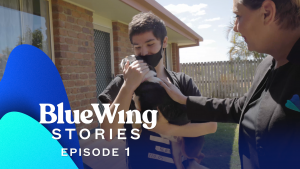
Cruze’s Story: Finding Occupational Therapy Success with Blue Wing Care
At age 3, Cruze was diagnosed with moderate Global Developmental Delay. Then, at age 4, he was diagnosed with Autism Spectrum Disorder — Level 2.
The tears and emotional roller coaster are very real for mum Letisha. Every day is different, presenting new and varying challenges for both of them.
Letisha and Cruze found Occupational Therapy success with Blue Wing Care Professionals. Our Occupational Therapist truly understands Cruze, meeting him where he is to build trust, engage meaningfully, and help Cruze achieve his OT goals. Letisha is thrilled with Cruze’s progress and says he is now a totally different kid.
Watch the rewarding moment when Cruze ties his shoelaces for the first time on this episode of Blue Wing Stories:
How Blue Wing Care Professionals Can Help
At Blue Wing Care Professionals, we are an NDIS-registered provider offering therapy and support services for children with Global Developmental Delay and other developmental conditions. Our services include:
- Occupational Therapy — in-home and clinic-based OT tailored to your child’s needs
- Speech and Language Pathology — helping your child communicate and connect
- Support Coordination — navigating the NDIS to get the most from your child’s plan
- Plan Management — taking the stress out of NDIS financial management
We operate across Sydney, the Gold Coast, Campbelltown, and surrounding areas. Our team is experienced in working with children with GDD, autism, and complex developmental needs.
If your child has been diagnosed with GDD, or if you’re concerned about their development, we’re here to help. Give us a call or reach out below to take the first step.